
Living and Studying in the Netherlands: 2026 Complete Guide
An exhaustive blueprint exploring everyday life, academic culture, housing budgets, bicycle infrastructure, and integration pathways for international students.
1. Introduction to Dutch Student Life
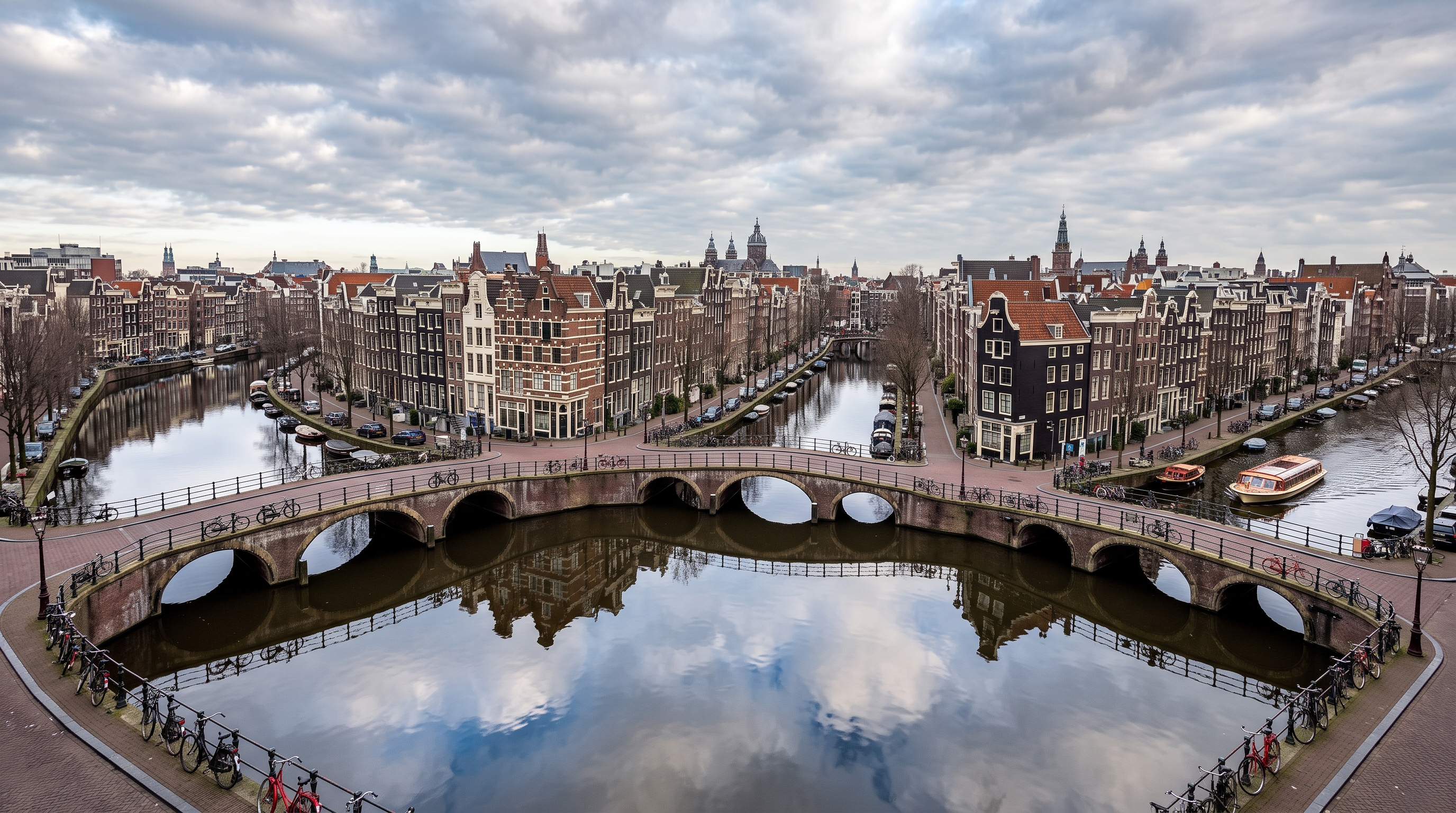
Choosing living and studying in the netherlands is widely regarded as one of the most rewarding academic decisions an international student can make. As we navigate 2026, the Netherlands continues to set European benchmarks for higher education, student welfare, and international connectivity. Consistently ranked among the top ten happiest nations globally by the UN World Happiness Report, this dynamic Western European hub offers world-class education backed by strong societal stability.
Over 120,000 international students choose Dutch institutions every year. According to official academic data published by Study in NL, the country provides over 2,100 fully accredited, English-taught degree programs. Whether you enroll in historic research universities or hands-on universities of applied sciences, your experience of living and studying in the netherlands will deliver exceptional academic growth and international career readiness.
2. Key Realities of Living and Studying in the Netherlands
The concept of living and studying in the netherlands combines rigorous intellectual training with an egalitarian lifestyle. Unlike traditional education systems with steep hierarchical barriers, Dutch universities emphasize interactive seminars, practical teamwork, and direct student-professor discussions. Academic performance relies heavily on self-discipline, analytical problem-solving, and continuous collaboration.
Beyond lecture halls, living and studying in the netherlands introduces international students to a multicultural environment where over 95% of the local population speaks fluent English. Municipalities, student housing associations, and banking institutions provide streamlined, English-friendly services, enabling a rapid and comfortable transition for newcomers from around the world.
3. Geography and Maritime Climate
Geographically situated between Germany, Belgium, and the North Sea, the Netherlands is globally renowned for its low-lying landscape. The name literally translates to "the low countries," with more than 26% of the territory situated below mean sea level. Centuries of civil engineering innovations, such as the Delta Works, have protected Dutch soil and produced fertile urban centers ideal for international education.
The country experiences a temperate maritime climate with mild winters and cool summers. In 2026, typical summer temperatures average between 19°C and 24°C, while winter averages range from 2°C to 6°C. Rain showers occur across all seasons, making high-grade waterproof jackets and secure cycling gear essential components of living and studying in the netherlands.
4. Dutch Society and Direct Communication
A defining cultural attribute students encounter during their time living and studying in the netherlands is Dutch directness (bespreekbaarheid). Dutch culture prioritizes factual clarity, mutual respect, and honesty over unnecessary formality. Feedback in classrooms and workplaces is delivered straightforwardly, fostering an open environment where students can freely voice critical questions.
Social connection centers on the beloved concept of "Gezelligheid", describing an atmosphere of warmth, coziness, and community. Whether sharing coffee with international peers in university common rooms or participating in local sports clubs, social life remains deeply inclusive and vibrant.
5. Bicycle Infrastructure and Transit Networks
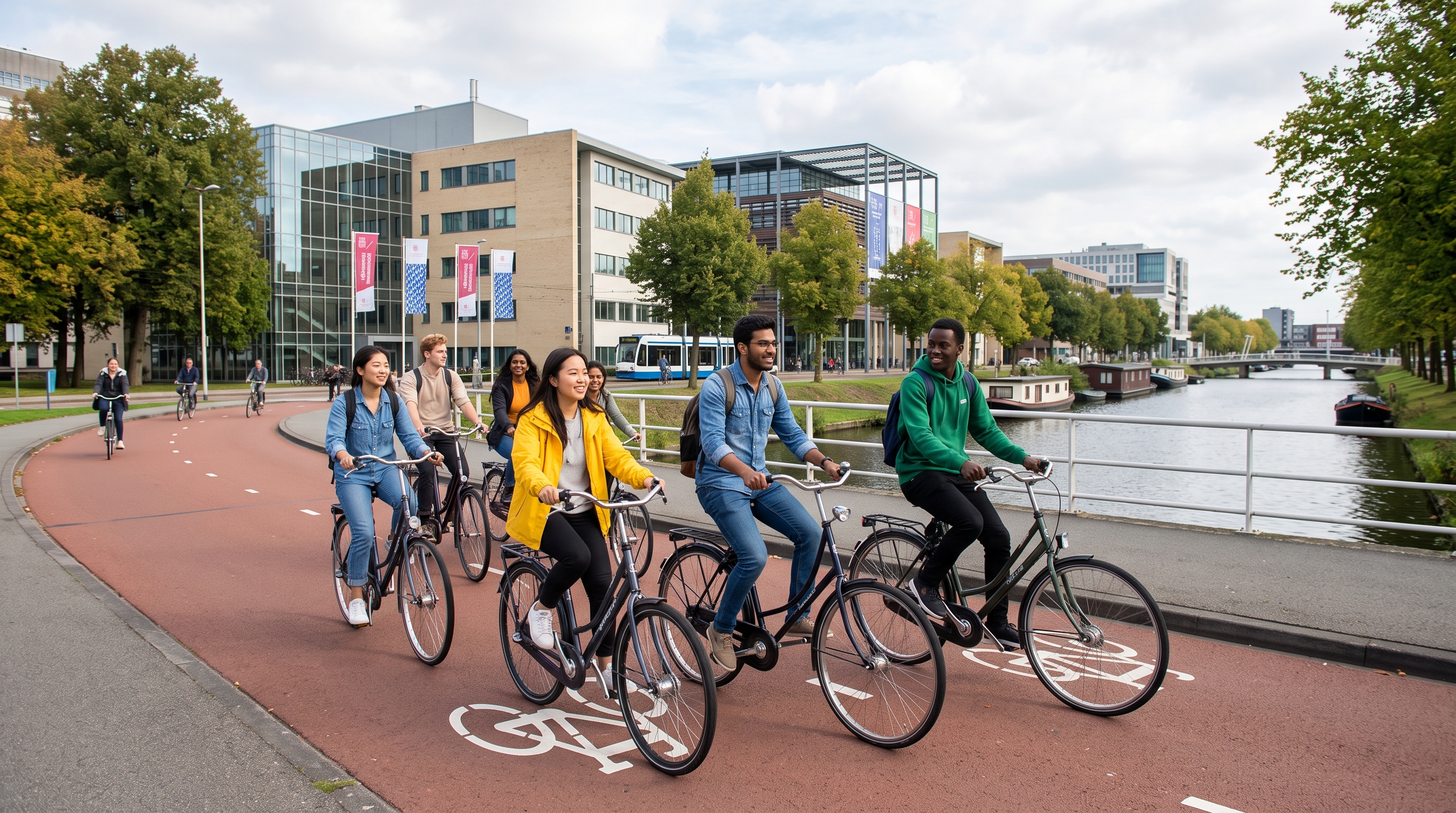
Cycling is the undisputed backbone of everyday mobility. The Netherlands maintains more than 35,000 kilometers of separated, dedicated cycle tracks (Fietspaden). With approximately 23 million bicycles serving a national population of 18 million, riding a bike to classes, laboratories, and grocery stores is an indispensable aspect of living and studying in the netherlands.
For intercity regional journeys, the national passenger railway operator (Nederlandse Spoorwegen) runs an electrified, zero-emission train network. International students use integrated contactless payment systems (OV-pay and personal OV-chipkaart) that link regional rail, municipal trams, buses, and city metros across the entire country.
6. Healthcare, Residency, and Legal Essentials
Public safety is exceptionally strong. Low crime rates and friendly neighborhood policing provide a secure environment for students cycling home after evening library sessions.
Under statutory requirements detailed by the Immigration and Naturalisation Service (IND), non-EU students must secure a Dutch student residence permit arranged via their host university. All international residents must hold adequate health insurance. Those who undertake part-time student employment must legally switch to basic statutory health insurance (Basisverzekering), which is frequently supported by a government healthcare allowance (Zorgtoeslag) for qualifying budgets.
7. 2026 Student Cost of Living in the Netherlands
Careful budgeting is critical when preparing for living and studying in the netherlands. The table below outlines average monthly living expenses for an international student in 2026:
| Expenditure Category | Monthly Budget (2026) | Practical Advice |
|---|---|---|
| Student Housing & Utilities | €550 – €950 | Apply for campus housing or student housing portals early. |
| Food & Groceries | €220 – €320 | Shop at local markets and budget supermarkets like Lidl or Aldi. |
| Health & Liability Insurance | €50 – €140 | Basic student packages or basisverzekering (eligible for healthcare allowance). |
| Public Transit & Cycling Maintenance | €40 – €90 | Purchase a second-hand bicycle (€70-€100) and travel off-peak by train. |
| Academic Books & Course Supplies | €40 – €75 | Utilize university digital libraries and online repositories. |
| Recreation & Mobile Plans | €150 – €220 | Sim-only phone plans (€15/mo) plus social and fitness activities. |
| Total Estimated Monthly Budget | €1,050 – €1,550 | Satisfies the official 2026 IND financial proof requirements. |
Begin Your Dutch Academic Journey
Successfully organizing your pathway for living and studying in the netherlands demands structured preparation, certified academic evaluations, and up-to-date visa knowledge. Having professional support streamlines university matching, document translation, and application submissions.
As an official educational consultancy operating under registered Dutch entity Avid Student Services (KvK: 87853329), our experienced team at Avid Immigration Group provides expert guidance for international students. Get in touch with our Netherlands office today to schedule your comprehensive academic profile evaluation.