
Navigating the Netherlands: Bicycles, Trains, and the OV-chipkaart
A practical transit blueprint covering urban cycling lanes, national railway discount plans, OV-pay contactless integration, and daily student commuting in 2026.
1. Integrated Mobility in the Netherlands
Mastering dutch transportation bicycles and trains is one of the most exciting aspects of settling into academic life in Western Europe. The Netherlands boasts an interconnected public transport and cycling infrastructure that ranks among the world's most punctual, environmentally sustainable, and accessible networks. Everyday mobility revolves around an integrated multimodal system where cycling lanes transition directly into train platforms, metro lines, and bus stops.
As documented by the official national transport registry Nederlandse Spoorwegen (NS), 100% of the Dutch electric passenger train fleet is powered by domestic wind energy. By integrating dutch transportation bicycles and trains into your daily student routine, you gain dependable, low-cost mobility across all major university hubs without ever needing a private car.
2. Cycling Culture: Infrastructure and Etiquette
Bicycles are the primary vehicle of daily Dutch life. The country maintains more than 35,000 kilometers of physically separated red asphalt cycle tracks (Fietspaden). Navigating dutch transportation bicycles and trains starts with purchasing a reliable second-hand Dutch city bike (Omafiets) or utilizing flexible monthly subscription providers like Swapfiets.
Strict road etiquette governs cycling: cyclists must indicate turns with hand signals, yield to traffic from the right unless priority markers indicate otherwise, and refrain from using mobile phones while in motion. Under municipal law, bicycles must feature working white front lights, red rear lights, and wheel reflectors. Embracing dutch transportation bicycles and trains protects your budget and helps you integrate smoothly into the student community.
3. The National Railway Grid (NS)
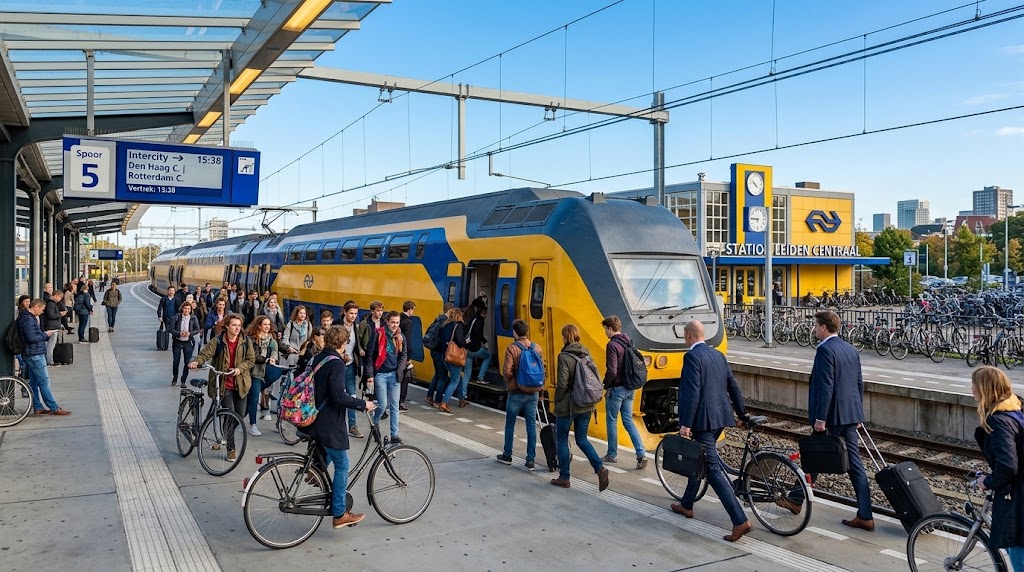
Intercity journeys across the Netherlands depend on Nederlandse Spoorwegen. Trains operate with high frequency, linking Randstad metropolitan areas (Amsterdam, Utrecht, The Hague, Rotterdam) with student towns such as Groningen, Enschede, and Eindhoven every 10 to 15 minutes during peak hours.
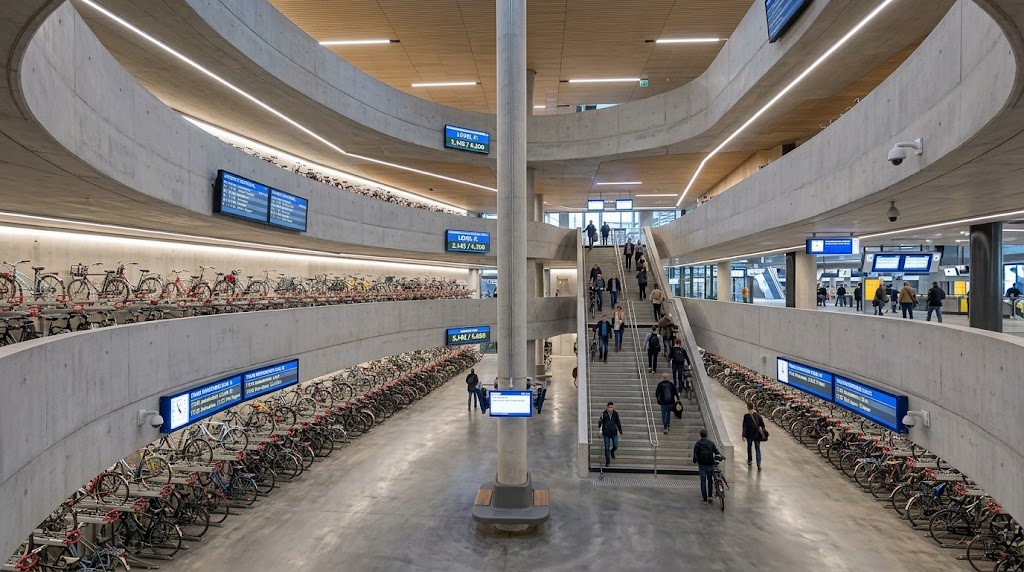
Stations feature multistory underground bicycle parking garages—such as the world’s largest facility at Utrecht Central Station, housing over 12,500 bicycles. Combining dutch transportation bicycles and trains allows students to commute seamlessly from suburban residential quarters straight into urban campus laboratories.
4. Contactless OV-pay & Smartcards
Navigating public transport has become effortless thanks to the national rollout of OV-pay. Commuters simply tap their contactless debit or credit card, smartwatch, or smartphone at check-in and check-out gates across all trains, trams, metros, and buses nationwide.
However, for regular commuters using dutch transportation bicycles and trains, obtaining a personalized smartcard (Persoonlijke OV-chipkaart) remains highly recommended. A personalized card allows students to load subscription discounts, automated bank reload features, and shared OV-fiets rental memberships directly onto a single account.
5. Commuter Subscriptions & Student Discounts in 2026
Maximizing savings across dutch transportation bicycles and trains is simple with off-peak passes. The popular Dal Voordeel subscription costs approximately €5.60 per month and provides a 40% discount on national train journeys on weekdays outside rush hours (before 06:30, between 09:00 and 16:00, and after 18:30) as well as all day on weekends.
For unlimited weekend exploration, the Weekend Vrij pass allows students to travel anywhere across the country from Friday evening through Sunday midnight for a fixed monthly rate. Mastering these discount options ensures that dutch transportation bicycles and trains remain easy on student budgets.
6. Transit Modes Comparison Matrix
Comparing key mobility options for international students across the Netherlands in 2026:
| Transit Mode | Average Cost (2026) | Primary Student Application |
|---|---|---|
| City Bicycle (Purchased) | €70 – €110 (One-Off) | Daily campus commutes, grocery shopping, urban trips. |
| Swapfiets Subscription | €19 – €23 / month | Hassle-free student bike rental with on-demand repairs. |
| OV-fiets Station Bike | €4.55 per 24 hours | Last-mile connectivity from train stations to campuses. |
| NS Dal Voordeel Rail Pass | €5.60 / month | 40% off-peak train discounts across the entire network. |
| Municipal Trams & Buses | €1.80 – €3.20 per trip | Inclement weather transit within metropolitan areas. |
Prepare for Student Life in the Netherlands
Familiarizing yourself with dutch transportation bicycles and trains is just one element of a smooth transition to the Netherlands. Choosing the right city and university requires factual planning and certified guidance.
Operating under registered Dutch business entity Avid Student Services (KvK: 87853329), our experienced advisors at Avid Immigration Group provide authentic representation, document review, and enrollment support. Contact our Dutch headquarters today to explore accredited programs and begin your educational journey.