
Do I Need to Speak Dutch? Language Tips for International Students
Mastering learning dutch language tips: an insightful exploration of conversational fluency, municipal language courses, career advantages, and civic integration in 2026.
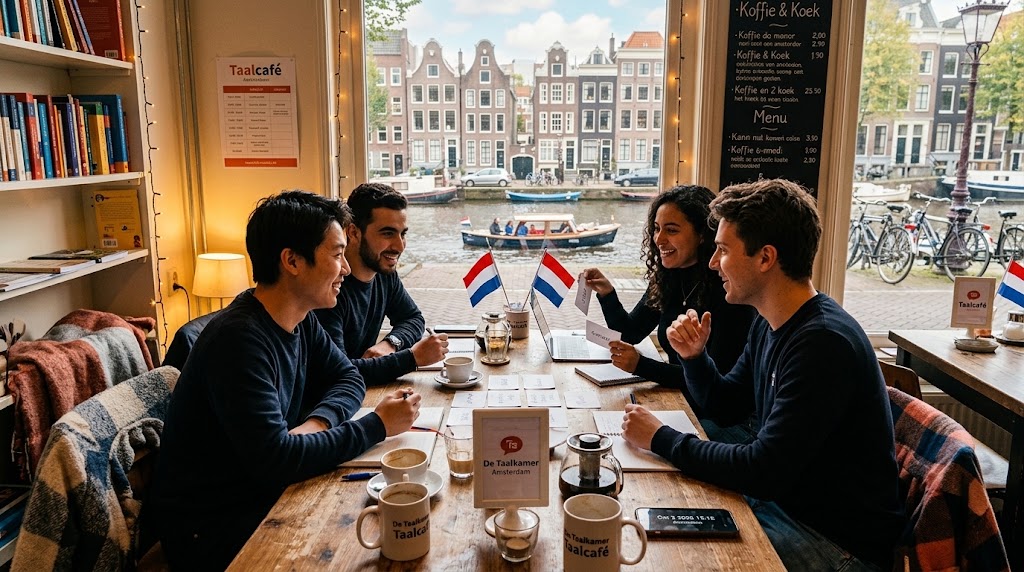
1. The Dutch Bilingual Reality
Exploring learning dutch language tips is an essential and rewarding endeavor for foreign scholars arriving in the Netherlands. Although over 95% of the Dutch population speaks fluent English—securing the country’s perennial #1 global rank on the EF English Proficiency Index—international candidates quickly discover that applying learning dutch language tips transforms everyday interactions from functional tolerance into genuine cultural belonging.
In 2026, university coursework across hundreds of accredited programs is delivered entirely in English. Nevertheless, taking the initiative to practice learning dutch language tips bridges academic study with community life, enabling international scholars to build meaningful friendships across local Dutch student societies.
2. Career Value of Dutch Fluency in 2026
While tech multinationals and research laboratories in Amsterdam or Brainport Eindhoven operate in English, acquiring intermediate Dutch (B1/B2 level) dramatically broadens long-term employment options. In sectors such as healthcare, education, municipal civil engineering, and corporate law, Dutch fluency is a statutory or practical prerequisite.
Dutch employers value cultural commitment. Candidates who apply learning dutch language tips and include verified Dutch language certificates on their resumes stand out during competitive corporate interviews, establishing immediate professional rapport with local stakeholders.
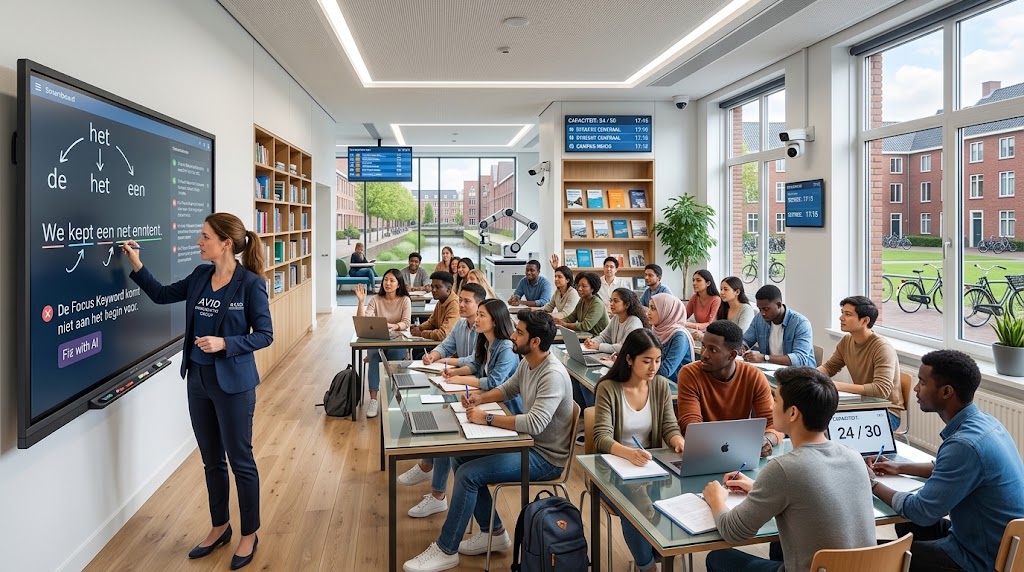
3. University & Municipal Language Support
International students have access to structured language resources. Most Dutch universities offer subsidized or complimentary introductory Dutch language modules (ranging from absolute beginner A1 to intermediate B1) through their academic language centers.
Additionally, local municipalities (Gemeenten) and public libraries (Openbare Bibliotheek) host free weekly conversational language cafes (Taalcafés). Engaging with these programs enables international students to test learning dutch language tips in relaxed, pressure-free environments alongside native volunteers.
4. Practical Learning Dutch Language Tips for Beginners
Acquiring conversational fluency becomes faster and more engaging when implementing targeted daily habits:
- Overcome English Reflexes: When locals automatically switch to English upon hearing an accent, politely ask to continue in Dutch ("Mogen we in het Nederlands praten? Ik wil graag oefenen").
- Immerse in Dutch Media: Watch national news broadcasts (NOS Jeugdjournaal offers clear, accessible Dutch) and listen to Dutch podcasts or contemporary music.
- Daily Micro-Interactions: Order groceries, greet neighbors, and navigate train tickets exclusively in Dutch to build conversational confidence.
- Language Tandem Partners: Partner with a Dutch student through university international student networks (ESN) for reciprocal language exchanges.
Consistently applying these learning dutch language tips transforms language acquisition from an academic chore into an organic part of daily student life.
5. CEFR Certification Levels for Expats
Progress across learning dutch language tips aligns with the Common European Framework of Reference for Languages (CEFR). For international students, achieving A2 level satisfies basic daily social interactions, while B1 or B2 proficiency satisfies corporate workplace standards and civic integration (Inburgering) requirements for permanent residency.
Official examinations such as the Staatsexamen Nederlands als Tweede Taal (NT2) provide accredited proof of language mastery recognized by Dutch ministries, universities, and commercial employers nationwide.
6. Language Pathway Comparative Matrix
Overview of Dutch language milestones and their practical advantages for international students:
| CEFR Proficiency Level | Typical Study Duration | Practical Advantage for International Students |
|---|---|---|
| Level A1 – A2 (Basic) | 2 to 4 Months (Part-Time) | Grocery shopping, public transport, basic social pleasantries. |
| Level B1 (Independent) | 6 to 9 Months (Intensive) | Part-time student service jobs, basic workplace small talk. |
| Level B2 (Vantage) | 12 to 18 Months (Dedicated) | Professional corporate employment, NT2 Exam Program II passing. |
| Level C1 – C2 (Proficient) | 24+ Months (Advanced) | Dutch-taught university degrees, legal and medical practice. |
Achieve Complete Academic and Cultural Success
Applying practical learning dutch language tips accelerates your cultural integration and enhances your professional opportunities across the Netherlands. Choosing the right university environment lays the groundwork for lasting academic success.
Operating under registered Dutch business entity Avid Student Services (KvK: 87853329), our experienced consultants at Avid Immigration Group provide authentic university representation, credential review, and application assistance. Connect with our Netherlands office today to explore academic programs and plan your educational future.